


JUYE Technology, a TPE thermoplastic elastomer manufacturer with 19 years of experience — provides you with comprehensive R&D and production solutions for TPE, TPR, TPV, TPV-SiR, TPU, and TPEE materials.
Since 2008, we have expanded into a broad range of industry application markets, providing rich solutions for various industries, with numerous application cases for your reference.
The processing and production technology of TPE materials is relatively complex, requiring strict control of the process parameters and operating conditions at each stage.
Juye Technology has gone through nearly 20 years of steady development and has established a comprehensive and thoughtful service support system.
Through the media information channel, you can get the latest updates on JUYE Technology Company's development and industry news in the first time. The FAQ and video center allow you to better explore the world of TPE materials.
JUYE Technology's sustainable development aims to carry out low-carbon production under the premise of protecting the Earth's green environment, participate in global economic cooperation and innovation practices, establish harmonious and symbiotic relationships with partners, contribute to the country, promote the development of the enterprise, and seek welfare for employees.
Dongguan JUYE Plastic Technology Co., Ltd. is a TPE thermoplastic elastomer company integrating research and development, production, and sales.
TPE toy figure application solution: environmentally friendly halogen-free TPE toy figure material, compliant with EN71/ROHS/SVHC, replacing PVC, safe and pleasant to squeeze.
1. Application Background and Pain Points
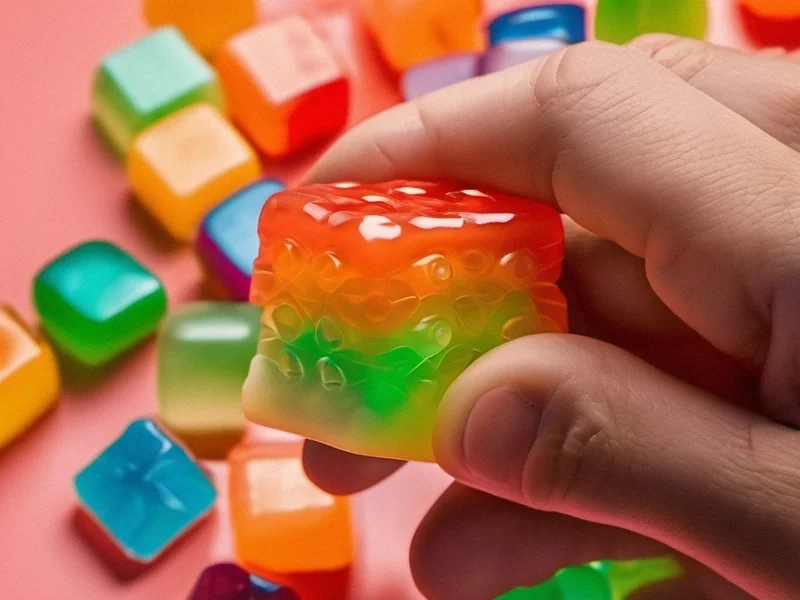
The toy figurine market is shifting from "sellable" to "good-looking, nice to squeeze, and safe." From blind box figures, soft plush toys to squishy toys and articulated action figures, users have increasingly higher demands for feel, rebound, and non-toxic, eco-friendly materials. In the TPE toy figurine application field, traditional PVC soft plastic is cheap but often contains halogens and requires phthalate plasticizers; exports to the EU/US are frequently recalled due to failing EN71-3/9 or ROHS/SVHCtoxicology tests; silicone is safe but has a high unit price and slow molding, making it difficult to meet large-volume toy orders. Modified TPE/TPR sits exactly at the intersection of "safety compliance" and "soft, bouncy, fun": hardness adjustable from 0A, can be spray-painted and screen-printed, halogen-free and phthalate-free, RoHS/REACH compliant—this is the core opportunity that overseas toy brands are looking for as a PVC toy material replacement.
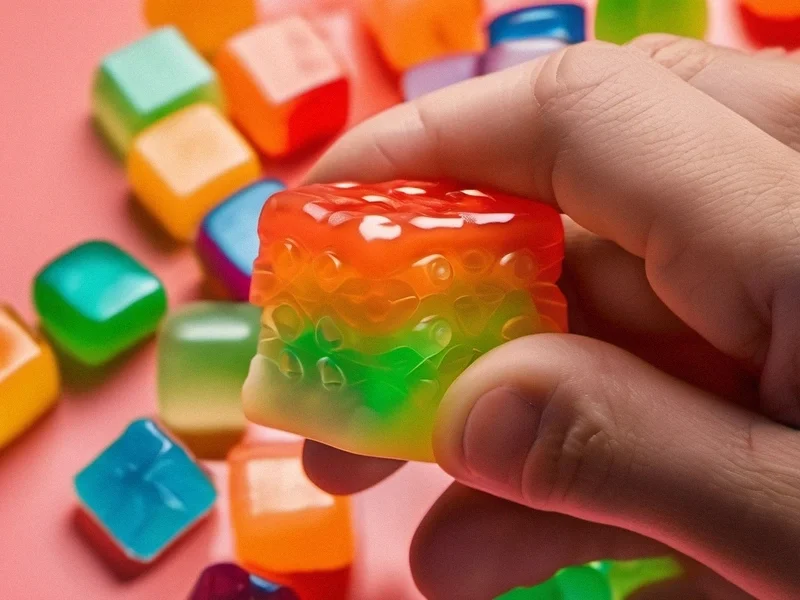
Figure 1: TPE Toy Figure Application Overview (Soft Vinyl Figures / Squeeze Toys)
2. Material Solution Comparison: TPE/TPR vs Silicone vs PVC vs TPU
When making toy figures, choosing a material is a four-way choice among "safety, feel, cost, and efficiency." The table below provides a horizontal comparison of four types of soft rubber materials from the dimensions that toy manufacturers care about most:
Comparison Dimension | TPE/TPR (SEBS/SBS based) | Silicone | PVC | TPU |
Touch / Rebound | Soft, quick rebound, kneadable | Softest, slow rebound, prone to dust | Harder, poor rebound, prone to aging | Hard, wear-resistant, moderate elasticity |
Environmental / Safety | Halogen-free and phthalate-free, EN71/ASTM/RoHS/REACH | Non-toxic, mouth-safe, medical grade | Halogen/Phthalate restrictions are increasing | Environmental grade depends on grade, needs confirmation |
Processing efficiency | Injection molding, two-color available, short cycle | Slow vulcanization molding, expensive molds | Fast injection molding, easy to form | Injection molding, narrow temperature window |
Cost | Medium | High | Low | Medium-high |
Typical toy applications | Soft toy/Squishy/Joints/Skin | Baby Teether/Pacifier | Low-end inflatable toys/vinyl | Rollers/transparent decorative parts |
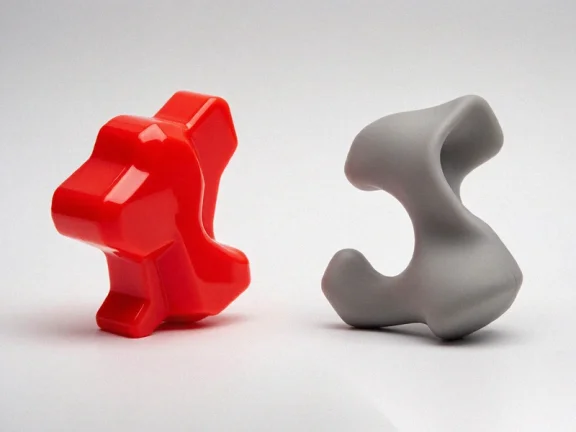
Figure 2: Comparison of TPE vs PVC toy materials (soft and resilient vs hard and brittle)
III. Recommended Hardness and Key Parameters (Segmented by Application Scenario)
Juye provides SEBS/SBS-based TPE/TPR modified series for toy figures, not rigidly fixed by "grade numbers," but flexibly matched by hardness range + certification + process:
·Ultra-soft 0–30A: slow rebound, super soft, suitable for squishy toys, stress balls, and soft doll bodies.
·Medium-soft 40–60A: matte skin feel, can be spray-painted and silk-screened, suitable for simulation doll skin, face, and hair.
·Medium-hard 70–80A: good rebound, strong support, suitable for movable joints, connectors, soles/uppers.
·High hardness 90A+: High transparency and wear resistance, suitable for rollers, transparent decorative parts, and structural components.
·Environmental certifications: RoHS, REACH, EN71-3/9, ASTM F963, PAHs, halogen-free, phthalate-free, test reports available.
·Processing: injection molding, secondary molding, two-shot injection molding; post-processing supports spray painting, silk-screen printing, pad printing, meeting the color matching and expression details of the figurine.
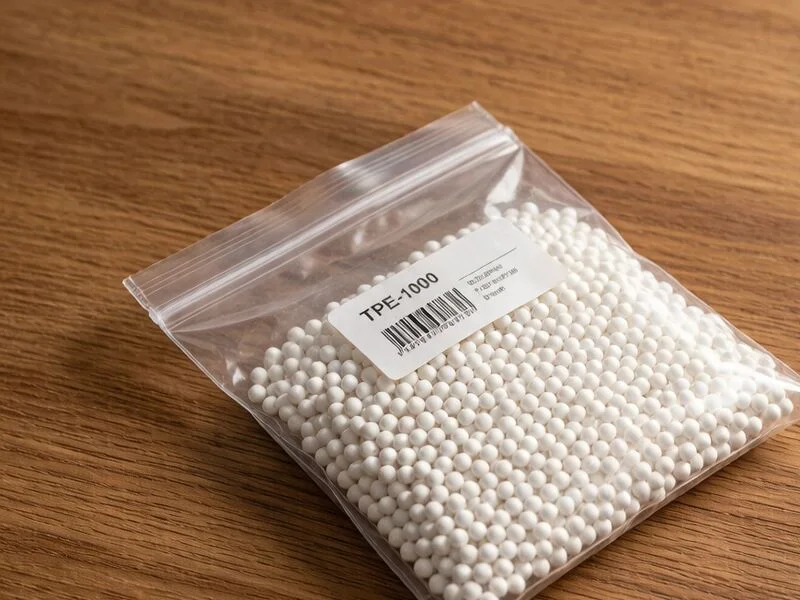
Figure 3: TPE toy figure pellets and physical property parameters (hardness / environmental protection / color matching)
IV. Advantages of Juye TPE Solutions (Addressing Real Buyer Pain Points)
1."Bounces back instantly when squeezed," delivering a direct toy experience: 0–30A ultra-soft TPE quickly rebounds after squeezing, replacing PVC soft toys, giving squeeze stress relief toys a truly satisfying tactile feel.
2.Eco-friendly, halogen-free, and phthalate-free, a fast track to European and American factory audits: Compliant with RoHS/REACH/EN71-3/PAHs, helping toy brands pass the procurement threshold for eco-friendly, halogen-free TPE toy figures.
3.True-to-life coloring, stable spray painting and pad printing results: Matte, skin-tone, semi-transparent, and transparent finishes are all adjustable; the adhesion on the figure's skin, expressions, and clothing textures is good, and the finished product has high fidelity.
4.Full hardness coverage, one base material for the entire series: From soft plush toys to joints to wheels, TPE/TPR/TPU can be matched by application, reducing multi-supplier management costs.
5.Injection molding and two-shot molding are compatible, boosting both yield and efficiency: Strong adhesion to hard substrates such as ABS, PC, and PP; soft and hard plastics can be molded in one shot, eliminating the need for dispensing/priming and shortening lead times.
5. Five Major Application Scenarios for TPE Toy Figures
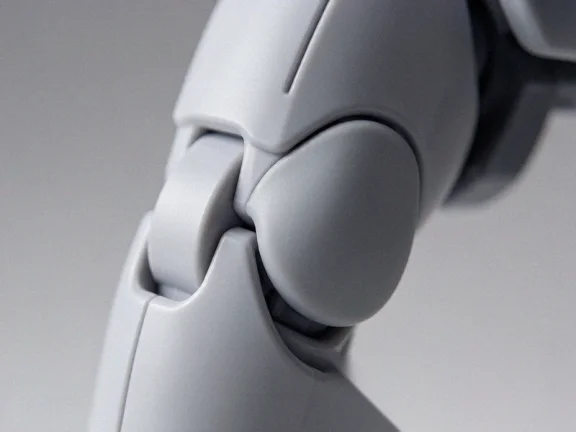
Below, we apply the theory to specific components to help buyers quickly match their own product development needs:<\/span> 6. Soft toy dolls \/ squishy toy bodies—0–30A ultra-soft TPE, quickly rebounds after squeezing, non-toxic and odorless, the preferred replacement for PVC soft plastic. Corresponding keyword: TPE squishy stress relief toy material.<\/span> 7. Realistic doll skin, face, and hair—40–60A medium-soft TPE, matte skin feel, can be spray-painted for blush, eyebrows, and hair strand details, commonly used in high-end figures. Corresponding keyword: TPE toy figure material.<\/span> 8. Movable joints / connectors — TPE/TPR has good rebound and bending resistance; elbows/knees/ankles of action figures are not prone to cracking after repeated bending. Corresponding keyword: TPE toy figure applications. 9. Figure shoes / accessories / two-color overmolding — 70–80A medium-hard TPE over ABS/PP, shoes have soft soles that do not slip, accessories bond firmly with hard parts. Corresponding keyword: TPE as a substitute for PVC toy materials. 10. Transparent decorative parts / rollers — high-hardness TPE/TPU combines transparency and wear resistance, suitable for toy eyes, wheels, glowing parts and other details. Corresponding keyword: eco-friendly halogen-free TPE for toy figures. Figure 4: Real-life view of TPE squeeze toy soft rubber — bounces back instantly when squeezed, safe and easy to squeeze Figure 5: Close-up of TPE joint parts and soft rubber connection details (bend-resistant · good rebound) VI. FAQ (Selection and Purchasing Q&A) 11.Is TPE toy material safe? Can it be used for children's toys?Regular TPE/TPR is based on SEBS/SBS, free of phthalates and heavy metals, and can be used for children's toys if it passes EN71. For mouthing toys for children under 3 years old, additional confirmation of specific grades and test items is required. 12.What tests are required for export to the EU and the US respectively?The EU focuses on EN71-1 (physical and mechanical), EN71-2 (flammability), EN71-3/9 (heavy metals/organic substances), and REACH phthalates; the US focuses on CPSIA lead and phthalates. Juye can provide basic reports such as RoHS/REACH. 13.How to choose between TPE and PVC toy materials?For low cost, short-term sales, and no child contact, PVC is an option; for export, safety, soft-touch feel, and high-end branding, TPE/TPR is a more stable alternative. 14.What about minimum order quantity, sampling, and lead time? Small trial orders are supported, and lead times for standard grades are controllable; special colors/hardness need to be confirmed based on production scheduling. Feel free to request samples and provide target test standards, and we will recommend grades accordingly. 7. CTA (Contact & Cooperation) Dongguan Juye Plastic Technology Co., Ltd. specializes in TPE/TPR/TPV/TPU/TPEE/TPV-SiR modified materials, with its own factory, controllable delivery time, and complete certificates (RoHS / REACH / EN71 halogen-free and phthalate-free). Whether you need soft toy material for TPE toy figurine applications, squishy stress-relief toy materials, realistic figurine skin material, or joint overmolding material, we can provide trial grades and process support. 👉 Contact Juye now: get free samples and customized material solutions Manager Zhang Dongguan Juye Plastic Technology Co., Ltd. Phone: +86 13827205072 (same as WhatsApp) Email: juyetpe@juyetpe.com Official website: www.juyetpe.com Address: No. 2, Fourth Street, Shu Jiu Second Industrial Zone, Changping Town, Dongguan City, Guangdong Province, China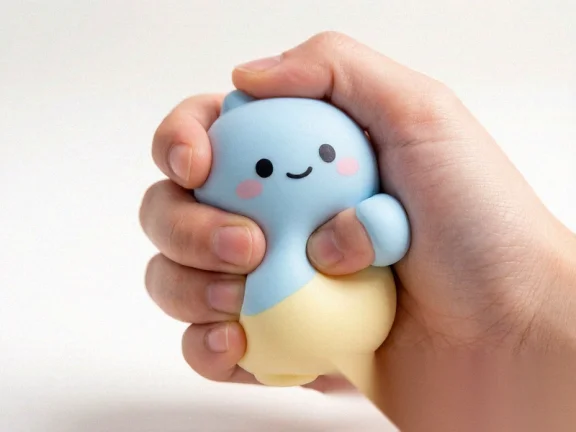
Professional technical engineer team-possible fastest response and support to client' application demand.


